




FAQ
Most frequent questions and answers
ERP systems are useful for businesses that manage multiple processes such as finance, inventory, sales, HR, or operations. Companies experiencing growth, operational complexity, or data silos often benefit the most from a centralized ERP platform.
Yes. Odoo ERP is highly flexible and modular, making it suitable for small businesses as well as growing and mid-sized organizations. Modules can be implemented gradually based on current needs and expanded as the business scales.
Implementation timelines depend on business size, number of modules, and customization requirements. Basic ERP setups may take a few weeks, while more complex implementations can take several months to ensure proper configuration, testing, and user adoption.
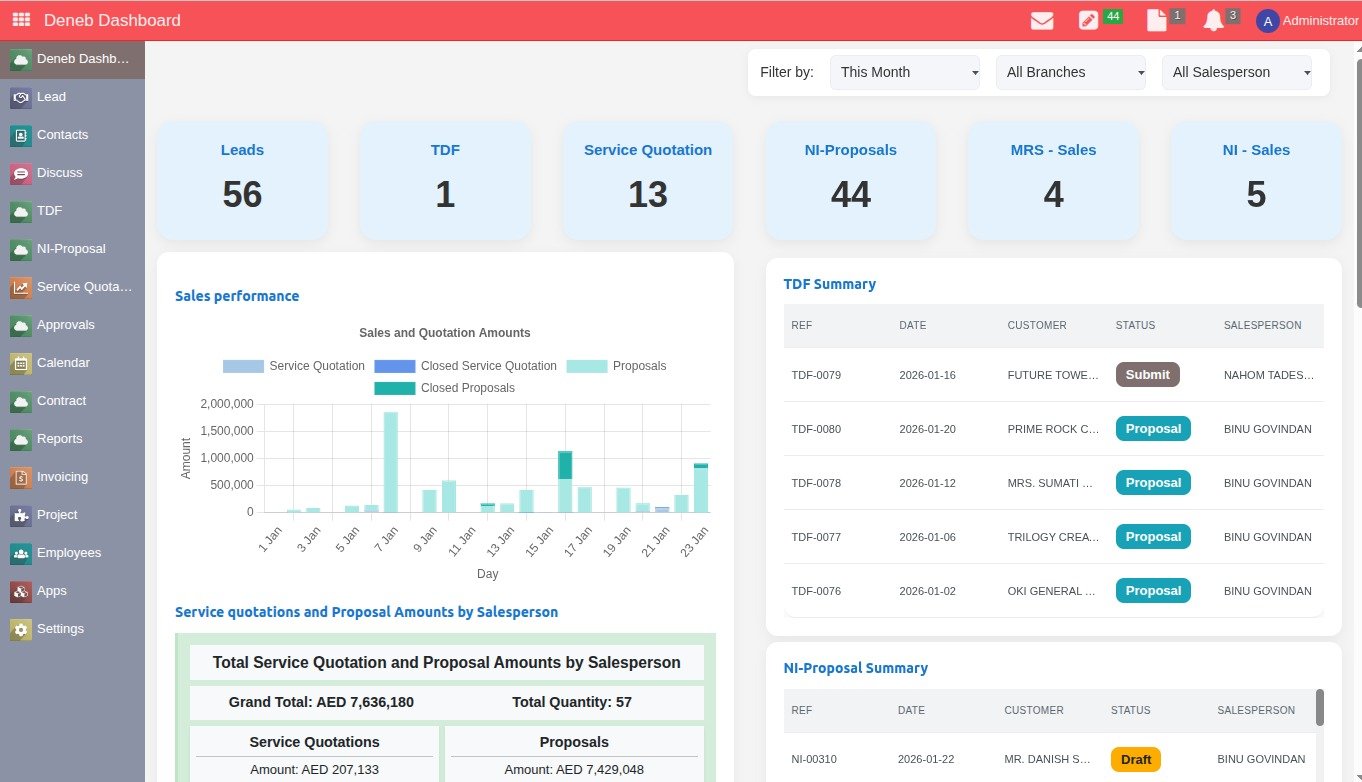
Yes. One of the key strengths of Odoo ERP is customization. Workflows, reports, dashboards, and modules can be adapted to align with existing business processes rather than forcing teams to change how they work.
ERP systems reduce manual work by automating routine tasks, improving data accuracy, and providing real-time visibility across departments. This helps teams make faster decisions, avoid errors, and operate more efficiently.
Yes. Post-implementation support is essential for system stability and growth. Ongoing support typically includes system updates, performance monitoring, troubleshooting, and enhancements as business requirements evolve.